
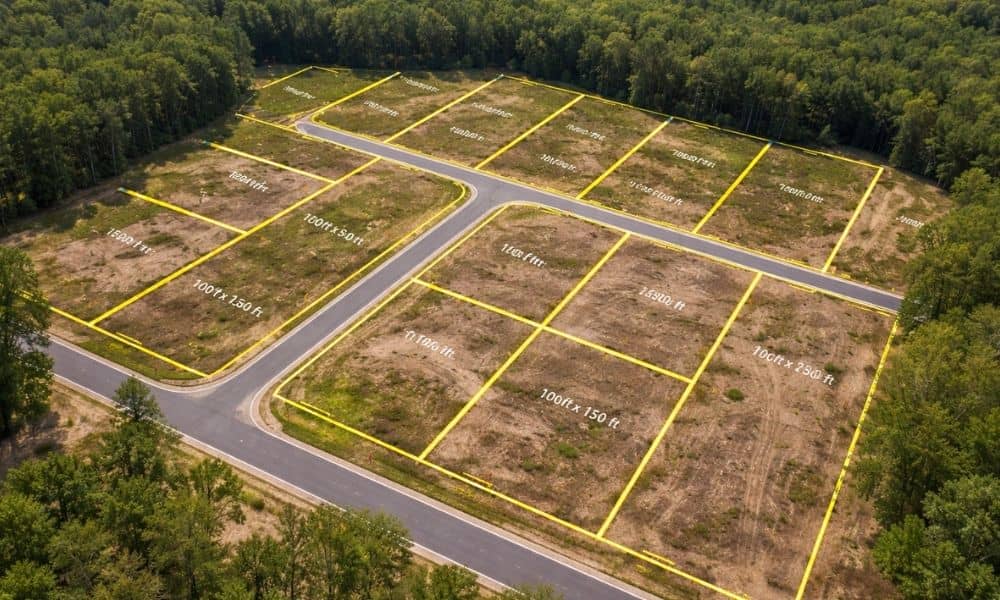
You’ve got land. You’ve planned out your lots, and everything looks right on paper. So you move forward, expecting a smooth approval. Then the city reviews your plan—and suddenly, things stop. Maybe one lot is slightly too small. Maybe access doesn’t meet local rules. Or maybe the layout just doesn’t work the way you thought. Now you’re dealing with delays, extra costs, and changes you didn’t expect. This happens more often than people think. In many cases, it comes down to skipping one simple step early on—a lot survey. Once you see how a lot survey helps your layout, it’s easier to understand why those small issues show up later and slow everything down.
What a Lot Survey Really Shows About Your Layout
A lot survey helps you understand how each lot actually fits on your property. It shows the real shape, size, and placement—not just what looks good on paper.
Instead of guessing from rough plans, you’re working with exact measurements. That makes a big difference, especially when planning your lot layout, because you can clearly see how each lot connects to the road, how much usable space you have, and whether everything lines up with local requirements.
Because of that, a lot survey gives you confidence before you move forward with your final design. You’re not hoping it works—you know it does.
Why Plans That Look Good Still Get Rejected
At first, most layouts seem fine. Lines are straight, lots are evenly spaced, and everything appears to fit. However, once the details are checked, small issues start to show.
Sometimes a lot misses the required size by just a few feet. Other times, access to the road is not as clear as it should be. In some cases, the shape of a lot makes it hard to build on.
These problems may seem small, but they matter during review. Even a minor issue can cause your plan to be sent back for changes.
As a result, what should have been a simple approval turns into weeks—or even months—of revisions.
How a Lot Survey Helps You Catch Problems Early
A lot survey brings these issues to light before you submit your final plat. Instead of finding out from the city, you find out early—when it’s easier to fix things.
For example, you might see that one lot needs to be adjusted slightly to meet size rules. Or you might notice that shifting a boundary improves access for two lots instead of one.
Because you catch these details early, you avoid the back-and-forth that slows projects down. You also save money by making changes before plans are finalized.
Why Waiting Too Long Can Cost You More
Many people wait until the last step to order a survey. By that time, the layout is already set, and changes become harder to make.
If a problem shows up during review, you may need to:
- Redraw the layout
- Update plans
- Resubmit for approval
That process takes time. It can also affect your timeline, your budget, and your overall project.
On the other hand, starting with a lot survey keeps things simple. You build your plan on accurate data from the beginning, so fewer surprises come up later.
When to Get a Lot Survey in the Process
Timing makes a big difference. A lot survey works best when you use it before final decisions are locked in.
Ideally, you should have it done before:
- Finalizing your lot layout
- Submitting your plan for approval
This way, your engineer and planner can use real measurements as they design the project. Everyone stays on the same page, and the layout has a much better chance of passing review the first time.
What Property Owners in Bridgeport Should Keep in Mind
Bridgeport continues to grow, and with that growth comes closer review of new projects. Even small layout issues can slow things down.
Because of this, it’s important not to assume your plan will pass as-is. What looks good on paper may not meet local requirements once it’s reviewed closely.
However, with a lot survey, you can see potential problems before they turn into delays. You gain more control over your project and avoid last-minute surprises.
What You Get From a Professional Lot Survey

When you work with a professional, you’re not just getting numbers. You’re getting a clear understanding of your land and how your layout performs in real conditions.
A lot survey gives you:
- Accurate lot sizes and dimensions
- A layout that reflects real conditions
- Early insight into issues that could affect approval
Because of this, you can move forward with confidence. You know your plan has been checked, and you’re better prepared for the next step.
Catch Problems Before They Slow You Down
Most project delays don’t come from big mistakes. They come from small issues that no one caught early.
A lot survey helps you find those issues before the city does. Instead of reacting to problems, you stay ahead of them.
In the end, that means fewer revisions, faster approvals, and a smoother path from plan to project.
If you’re planning a subdivision or adjusting lot lines, starting with a lot survey is one of the smartest moves you can make.