Why Remote Sensing Technology Matters More Today

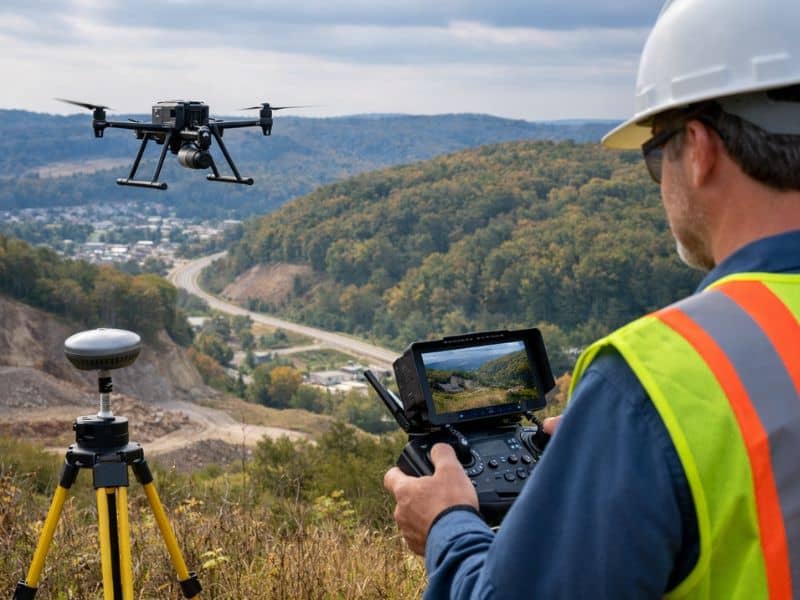
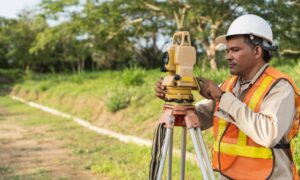
Surveyor using remote sensing technology to capture detailed terrain data in Bridgeport, WV for land planning and development

Land development is changing as new tools make it easier to understand complex terrain. Remote sensing technology is now one of the most important tools in modern surveying. In areas like Bridgeport, WV, where land conditions can vary, having accurate data early makes a big difference.

Why Remote Sensing Technology Is Becoming More Common

The closest recent trend is the growing use of remote sensing technology in infrastructure and environmental projects across the U.S. Agencies and developers are using advanced tools to study terrain, drainage, and land stability.

This shift is happening because traditional methods can take more time and may miss small but important details. Tools like lidar mapping allow survey teams to collect detailed data faster and with greater accuracy.

How Remote Sensing Technology Improves Land Data Accuracy

Remote sensing technology collects data without direct contact with the land. One of the most common methods is lidar mapping, which uses laser-based measurements to capture surface details.

This process creates a detailed model of the terrain. It helps surveyors see elevation changes, slopes, and surface features that are not always visible during a site visit. That level of detail supports better planning with accurate site data, especially when early project decisions depend on reliable information.

Why This Matters in Areas Like Bridgeport

Bridgeport and nearby areas often include uneven terrain, wooded land, and changing elevations. These conditions can make planning more difficult without reliable data.

Using remote sensing technology helps reduce uncertainty. It gives a clearer view of the site before decisions are made, especially for development and land planning.

Getting a smarter approach to planning your site data allows teams to work with better information from the start instead of fixing problems later.

Common Challenges Remote Sensing Technology Helps Solve

Many project delays come from missing or incomplete site data. Remote sensing technology helps reduce these issues by improving accuracy and coverage.

Some common challenges include:

  • uneven terrain that affects construction plans
  • hidden elevation changes
  • drainage patterns that are not easy to see
  • areas that require grading or adjustment

These issues can slow down projects if they are discovered too late.

How Better Data Leads to Better Project Decisions

Accurate data leads to better decisions. When teams understand the site early, they can plan more efficiently and avoid costly changes.

Remote sensing technology supports faster workflows and fewer surprises. It does not replace professional expertise, but it gives surveyors stronger data to work with.

In a place like Bridgeport, that early clarity can make a major difference in how a project moves forward.
More Posts

Surveyor in a safety vest and hard hat adjusting a theodolite on a tripod in an open grassy field.
land surveying
Surveyor

What Surveying Companies Check Before Site Approval 

A lot of site plans look good on paper. The layout makes sense. The buildings fit. The parking lines up. Then the city reviews it, and suddenly there are comments, revisions, and delays. That usually happens because something on the site was not fully checked before submission. Not the design,

Read More »
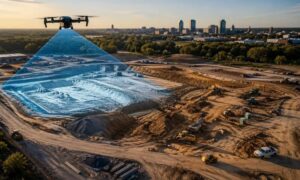
Aerial drone view of an active construction site showing terrain mapping and earthworks during early-stage site development
lidar mapping
Surveyor

Why Construction Projects Need LiDAR Mapping More Than Ever

Construction is picking up in Bridgeport. New buildings, site upgrades, and property changes are showing up all over town. That sounds like good news, and it is. Still, faster projects bring new problems. Builders need better site data right away, not weeks later. That shift is why more people are

Read More »
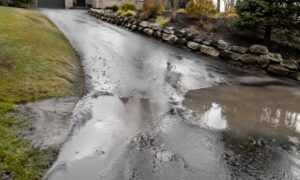
Water pooling on a sloped driveway showing how a topographic survey can help identify drainage and grading issues
land surveying
Surveyor

Before You Design a Driveway, Get a Topographic Survey

A driveway looks simple at first. You pick a path, clear the space, and lay the surface. That’s how most people picture it. Then problems start to show up. Water collects on the driveway after rain. The slope feels too steep. Cars scrape at the bottom. In some cases, water

Read More »
Aerial view showing land surveying used to check access for a flag lot with a narrow driveway leading to a back property
land surveying
Surveyor

How Land Surveying Helps Check Access for Flag Lots

A back lot in Bridgeport can look like a smart buy. It sits away from the road, feels quiet, and often costs less than nearby homes. Then you try to picture a driveway. That is when the questions start. Where does the driveway go? Who owns the path? Can you

Read More »

Why Remote Sensing Technology Matters More Today

Land development is changing as new tools make it easier to understand complex terrain. Remote sensing technology is now one of the most important tools in modern surveying. In areas like Bridgeport, WV, where land conditions can vary, having accurate data early makes a big difference. Why Remote Sensing Technology

Read More »
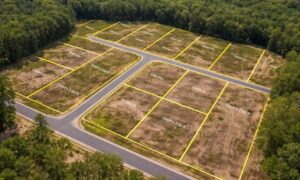
Aerial view of a land subdivision showing lot boundaries and measurements from a lot survey used for planning and layout
land surveying
Surveyor

A Lot Survey Can Prevent Final Plat Delays

You’ve got land. You’ve planned out your lots, and everything looks right on paper. So you move forward, expecting a smooth approval. Then the city reviews your plan—and suddenly, things stop. Maybe one lot is slightly too small. Maybe access doesn’t meet local rules. Or maybe the layout just doesn’t

Read More »