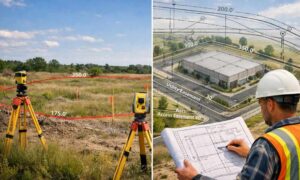

Real estate closings are supposed to be the final step. The price is agreed on, financing is lined up, and everyone is ready to sign. Yet many deals in Bridgeport still hit a sudden pause right before closing. Often, the delay does not come from the bank or the buyer. Instead, it comes from a late discovery tied to the property itself. This is where an ALTA Land Title Survey makes a real difference. When ordered and coordinated at the right time, it helps keep deals moving instead of stalling at the last minute.
Why closing delays happen so late
Most buyers assume problems show up early. However, delays usually happen near the end of the process. By that point, the title work is underway and the lender is reviewing final documents. Then a question appears. Something does not line up. A clarification is needed before funds can be released.
At that stage, even small issues can cause big delays. Everyone is waiting on answers. Schedules shift. Stress rises. A closing that should have taken days can stretch into weeks.
Many of these delays trace back to how the property information was handled earlier in the deal.
The gap between title, lender, and property details
In a typical transaction, the title company reviews records and prepares a title commitment. At the same time, the lender begins underwriting. These steps move forward together, but they rely on accurate property information to stay aligned.
Problems start when the property survey comes in late or does not match what the title commitment shows. When that happens, both the title company and the lender may stop and ask questions. They need clarity before they can move forward.
In Bridgeport, this happens often with commercial properties, refinancing deals, and older parcels. Records may be outdated, or previous changes to the site were never fully documented. As a result, the final review becomes a bottleneck.
How an ALTA Land Title Survey keeps deals moving

An ALTA Land Title Survey helps prevent these issues by giving all parties the same clear picture early in the process. Instead of reacting to surprises, the team can address concerns before closing dates are set.
Title companies want certainty. When survey details are unclear or missing, they add exceptions or request more information. Each request adds time.
With an ALTA Land Title Survey completed early, the title company can review the findings while there is still room to adjust. This reduces last-minute questions and helps clear conditions sooner.
Lenders are careful by nature. If something does not align with the loan documents, they may pause underwriting. That pause can delay funding and push back closing dates.
Because an ALTA Land Title Survey follows recognized standards, lenders trust it when it is delivered on time. Early coordination allows lenders to finish their review without reopening files late in the process.
Attorneys often spot issues when reviewing final documents. If those issues tie back to property details, they can trigger revisions and new approvals.
When an ALTA Land Title Survey is already reviewed and accepted, legal teams spend less time questioning property information. This helps contracts stay intact and keeps closing schedules realistic.
The real cost of ordering the survey too late
Many buyers try to save time by waiting to order the survey. In reality, this approach often costs more.
Late orders may require rush fees. Reviews become compressed, which increases the chance of missed details. If changes are needed, there may be little time to fix them before closing.
Delays can also weaken negotiating power. When one party is under pressure to close, they may have fewer options. In addition, rescheduling closings affects everyone involved, from buyers to sellers to lenders.
By contrast, early planning spreads the work out and lowers risk.
Who should coordinate the ALTA Land Title Survey
Responsibility often falls into a gray area. Buyers may assume the lender will handle it. Lenders may expect the buyer or attorney to take charge. When no one leads, timing suffers.
The best approach is simple. As soon as the title commitment is issued, the survey should be coordinated. This allows the survey results to support underwriting instead of interrupting it.
Clear communication among buyers, attorneys, and lenders keeps expectations aligned and prevents last-minute surprises.
What buyers should ask before closing
You do not need technical knowledge to protect your deal. Asking the right questions can make a big difference.
Before closing, consider asking whether the ALTA Land Title Survey has been reviewed by the title company, whether it matches the current title commitment, whether the lender has confirmed acceptance, and whether any unresolved notes could delay closing.
These questions help uncover issues early, while there is still time to address them.
Why timing matters more than anything else
An ALTA Land Title Survey does not slow down a deal. Poor timing does. When the survey is treated as an early planning step, it supports every part of the transaction. When it is treated as a last-minute task, it often becomes the reason for closing stalls.
In Bridgeport’s active real estate market, smooth closings depend on preparation. Early coordination creates fewer surprises, less stress, and stronger confidence for everyone involved.
Final thoughts
Closing delays are frustrating, but they are rarely random. Most can be traced back to how property information was handled earlier in the process. An ALTA Land Title Survey, ordered and reviewed at the right time, helps prevent those delays by keeping title, lender, and legal teams aligned.
Instead of rushing to fix problems at the end, smart planning keeps deals on track from the start. For buyers and investors, that preparation often makes the difference between a smooth closing and a stressful one.