
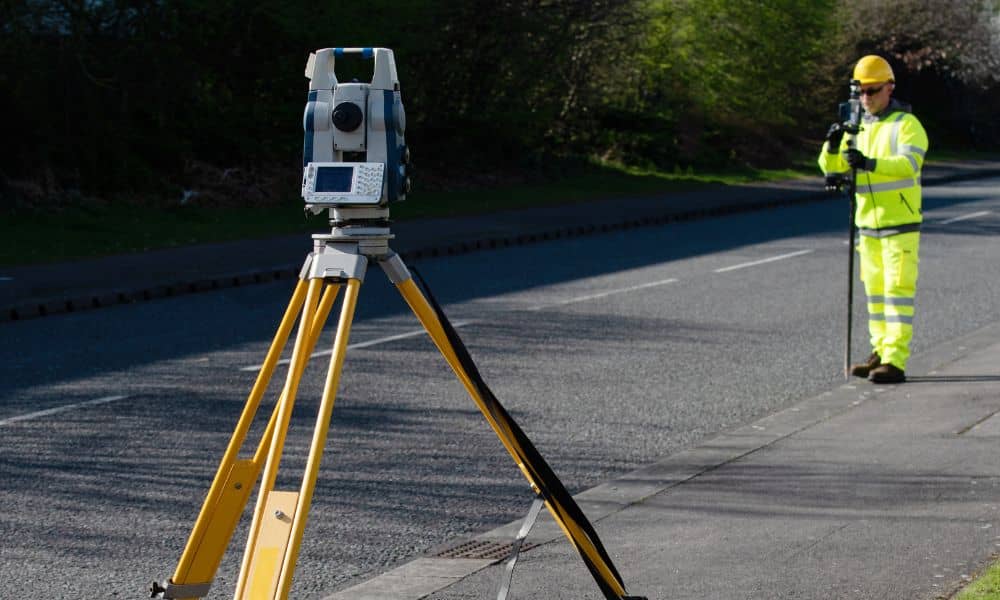
Construction moves fast today. Crews schedule tighter. Materials arrive sooner. Inspectors expect clean documentation. Yet many companies still rely on old systems when it comes to their construction survey process. At first glance, nothing looks wrong. Stakes go in the ground. Layout lines appear correct. Work begins. However, behind the scenes, an outdated workflow can quietly slow everything down.
So the real question is not whether your construction survey is accurate. Instead, ask whether the workflow behind it keeps up with modern building demands.
Construction Has Changed — Surveying Must Keep Up
Over the past few years, construction technology has advanced quickly. Builders now use digital plans, 3D models, and shared cloud files. Engineers revise drawings in real time. Project managers expect updates within hours, not days.
Because of that shift, the construction survey process must match that speed. If it doesn’t, small delays start to stack up. For example, when layout data requires manual entry or separate file transfers, office teams lose valuable time. Then, if a plan revision arrives mid-project, the survey team must reprocess everything again.
As a result, builders wait longer. Subcontractors adjust schedules. Costs rise quietly.
What an Outdated Construction Survey Workflow Looks Like
An outdated system does not always look broken. In fact, many older workflows still produce accurate results. The problem lies in efficiency.
For instance, some survey crews still download field data manually at the end of the day. Then they transfer that data into drafting software that does not fully integrate with field equipment. After that, technicians clean up linework by hand.
That approach works. However, it takes longer.
Similarly, older systems rely heavily on 2D drafting. While that method handles basic layouts, it does not provide full 3D surface modeling. On simple jobs, that may not matter. Yet on complex sites with grading, drainage, or tight elevation requirements, limited modeling slows coordination.
Most importantly, plan changes require more steps in older systems. Every revision creates extra processing time.
What a Modern Construction Survey Workflow Looks Like
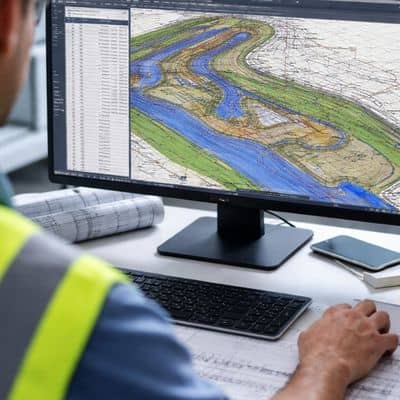
On the other hand, a modern construction survey workflow connects field and office systems smoothly.
First, crews collect data using integrated GPS and robotic total stations. Then, they upload information directly into drafting software without manual conversion. Because the systems communicate clearly, the office team begins processing almost immediately.
In addition, many modern firms use field-to-finish automation. That means the equipment codes points automatically. The drafting software then builds linework with minimal cleanup. As a result, turnaround times shrink.
Furthermore, modern workflows often include 3D surface models. Builders can view grading surfaces, elevations, and cut-fill data more clearly. That visibility helps contractors plan equipment and materials better.
Finally, cloud-based file sharing allows faster updates. When architects revise drawings, the survey team can adjust layout quickly and send new files without delay.
Technology alone does not create quality. However, workflow efficiency supports faster decision-making.
Why This Matters to Builders and Developers
At this point, you might wonder why workflow matters if the final layout looks correct.
Here’s why.
Construction projects depend on momentum. Every trade waits on the one before it. Therefore, even small slowdowns ripple through the schedule.
For example, imagine a commercial slab pour scheduled for Friday. If the construction survey layout finishes later than expected, the concrete crew reschedules. Equipment rentals extend. Labor costs shift. Even a one-day delay can affect thousands of dollars.
Additionally, faster revision cycles help when plans change mid-build. Most projects face adjustments. If the survey team updates layout quickly, the job keeps moving. If not, crews pause.
Moreover, modern workflows improve digital coordination. Engineers, contractors, and inspectors now expect clean electronic files. A streamlined construction survey system delivers that consistency.
In short, efficient surveying protects your timeline.
The Hidden Cost of “We’ve Always Done It This Way”
Some firms hesitate to upgrade systems because older methods still work. That mindset feels safe. However, it hides real costs.
Manual processes require more labor hours. Separate software systems increase administrative time. Extra file conversions create more room for delay.
Although these costs may not appear on a single invoice, they show up in project timelines. Over months of development, those small inefficiencies add up.
Furthermore, construction speed continues to increase. Crews no longer build at the same pace they did ten years ago. If your construction survey workflow stays stuck in the past, it struggles to match modern expectations.
Experience still matters deeply. Yet pairing experience with efficient tools creates stronger results.
Signs It May Be Time to Ask Questions
You do not need to understand every technical detail. Instead, focus on how your survey provider manages workflow.
Ask how they transfer field data. Ask how quickly they process revisions. Ask whether they provide 3D models when needed. Also, ask how they share files with engineers and contractors.
These conversations reveal more than equipment lists. They show how the firm thinks about efficiency.
Remember, a construction survey does not end after staking. It supports the entire build process. Therefore, responsiveness matters just as much as accuracy.
Modern Workflow Does Not Replace Skill — It Supports It
Some people assume technology replaces expertise. That is not true. Skilled surveyors still interpret plans, verify control points, and ensure precision. However, efficient systems reduce friction.
When workflow flows smoothly, surveyors spend more time on quality control and less time on file management. Builders receive clearer data. Projects move forward with fewer interruptions.
That balance creates stronger collaboration between field crews and construction teams.
Construction Speed Requires Survey Speed
Today’s projects demand fast communication, clean documentation, and reliable layout. Because of that, your construction survey workflow must operate at the same pace as the rest of your build.
Outdated systems may still produce accurate stakes. However, they often slow the process behind the scenes. Meanwhile, modern workflows connect field data, drafting software, and plan revisions more efficiently.
In the end, construction success depends on coordination. When your construction survey process supports that coordination, your project gains momentum instead of losing it.
So before your next project begins, ask yourself: does your survey workflow match the speed of modern construction — or does it quietly hold you back?
The answer may shape your timeline more than you think.